
Branded Poop Bag Dispensers for Council Dog Parks: A Complete Ordering Guide
Discover how Australian councils can use branded poop bag dispensers in dog parks to promote responsible pet ownership and community pride.

Written by
Diego Castillo
Seasonal & Holiday
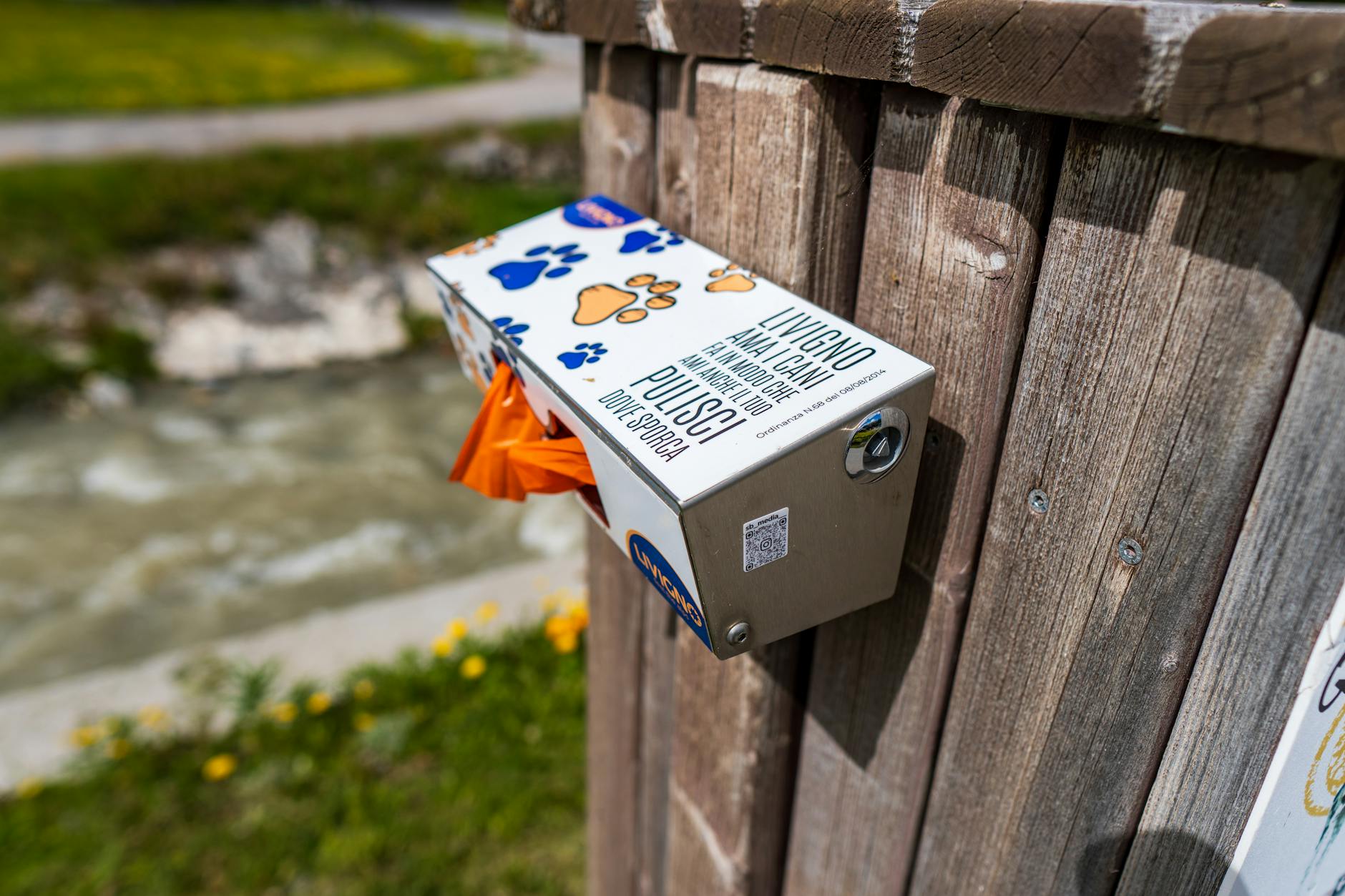
Few pieces of branded merchandise deliver more daily community impact than a well-placed, well-branded poop bag dispenser. If you’re a local council, parks department, or community organisation looking to improve amenity in your dog parks while keeping your branding front and centre, custom poop bag dispensers are one of the most practical — and surprisingly cost-effective — promotional products you can invest in. From Sydney’s inner-city off-leash areas to Brisbane’s suburban dog parks and Melbourne’s sprawling riverside reserves, councils across Australia are recognising that pet waste management is both a hygiene priority and a branding opportunity. This guide walks you through everything you need to know about sourcing, customising, and deploying branded poop bag dispensers for council dog parks.
Why Councils Are Investing in Branded Dog Poop Bag Dispensers
The numbers tell a clear story. Dog ownership in Australia has surged in recent years, with millions of registered dogs across the country using public green spaces daily. Off-leash dog parks are consistently among the most visited council facilities in suburban areas — and pet waste remains one of the top complaints received by local government from residents and park users.
Branded poop bag dispenser stations serve a dual purpose. First and most obviously, they provide a convenient, accessible solution for dog owners who may have forgotten their own bags. Second, they act as a constant, high-visibility branding touchpoint for the council or organisation sponsoring them. Every time a resident reaches for a bag — which could happen once, twice, or even three times a day — they interact with your logo, your council name, or your community campaign message.
Think of it this way: these dispensers function similarly to other high-frequency community merchandise. Like promotional items for small businesses that keep a brand in front of customers daily, a well-placed dispenser keeps a council’s identity visible to thousands of local residents week after week, month after month.
Beyond pure branding, there’s genuine community value here. Councils that provide free poop bags signal that they’re invested in clean, accessible public spaces. That’s a message that resonates — especially in communities where councils are working to build trust and demonstrate tangible results from rates spending.
Understanding the Product: What Makes a Quality Branded Dispenser?
Before you start requesting quotes, it helps to understand the different configurations available so you can match the product to your specific needs.
Standalone Post-Mounted Dispenser Stations
These are the most durable and high-profile option. A post-mounted station typically includes a weather-resistant housing unit — usually made from powder-coated steel, aluminium, or heavy-duty UV-stabilised plastic — that bolts to a permanent post in the ground. The unit holds a roll or stack of poop bags inside a protected compartment, often with an integrated waste bin or bin liner attachment nearby.
For councils in Perth, Adelaide, or Canberra who are building out new dog park infrastructure, a post-mounted station is often the flagship option. Branding is applied directly to the housing unit via pad printing, laser engraving, or vinyl decal application. Pad printing in particular is a great option for this type of product — our complete guide to pad printing for promotional products explains why it works so well on curved and irregular surfaces, which is relevant for dispenser housing units.
Minimum order quantities (MOQs) for post-mounted stations typically start at 10 to 20 units, though some suppliers will accommodate smaller runs for pilot programs. Budget somewhere between $80 and $250 per unit depending on material quality, size, and decoration complexity.
Portable and Wall-Mounted Bag Dispensers
A more affordable and flexible option is the portable or wall-mounted dispenser. These smaller units are typically made from durable plastic or stainless steel and can be attached to existing fence posts, park entry signs, or bollards without requiring concrete footings or ground works. They’re popular with councils running pilot programs or looking to supplement existing infrastructure across multiple parks without significant capital expenditure.
Branding options for these units include pad printing, laser engraving, and stick-on UV-printed labels. For a more premium, permanent finish on stainless steel units, laser engraving delivers excellent longevity — particularly important in outdoor environments across Queensland and the Northern Territory where UV exposure and humidity can degrade lesser finishes.
MOQs for this category are more accessible, often starting at 25 to 50 units, with pricing typically ranging from $15 to $60 per unit depending on material and finish.
Individual Branded Poop Bag Rolls and Clip Dispensers
For councils running community awareness campaigns or distributing branded merchandise at events, individual clip-on poop bag dispensers paired with branded bag rolls are a fantastic, low-cost giveaway option. These small dispensers clip onto a dog lead and can be pre-loaded with branded bags featuring your council logo, website, or responsible pet ownership messaging.
These are particularly effective when distributed at community events, dog park opening days, or through local vet clinics and pet stores. They’re in the same promotional category as reusable water balloons and other novelty giveaways that create genuine delight — people remember receiving something useful and unexpected.
Pricing for this category starts very low, often under $5 per unit in bulk, making them viable even for councils with modest promotional budgets.
Decoration Methods: Getting Your Branding Right
Outdoor products face unique decoration challenges. The wrong decoration method can result in logos that fade, peel, or crack within months — not a good look for a council trying to communicate professionalism and care.
Here’s a quick breakdown of what works best:
- Pad printing is ideal for plastic dispenser units with curved or irregular surfaces. It delivers clean, precise logos and is cost-effective for medium to large runs. Read more about this process in our pad printing guide for promotional products.
- Laser engraving is the gold standard for stainless steel and aluminium units. It’s permanent, UV-resistant, and delivers a premium look that suits councils projecting a high-quality brand image.
- UV digital printing works well for flat-panel sections on larger dispenser stations, allowing for full-colour artwork including photography or detailed illustrated logos.
- Debossing and moulded-in branding is available from some manufacturers for plastic units ordered in very large quantities — this is typically the realm of state-wide or multi-council procurement contracts.
For branded bag rolls themselves, flexographic printing is standard, allowing for two to four spot colours on each bag. If your council has a PMS-matched colour palette you need to replicate, be sure to communicate this to your supplier early in the quoting process.
Procurement Tips for Councils and Parks Departments
Sourcing branded merchandise through government procurement processes comes with its own set of considerations. Here are some practical tips to streamline your project.
Plan for Lead Times
Custom outdoor products like dispenser stations typically require four to eight weeks from artwork approval to delivery. Post-mounted stations with custom powdercoat colours can extend to 10 to 12 weeks. If you’re launching ahead of a specific event — say, a dog park opening in autumn or a responsible pet ownership campaign tied to a council initiative — factor this into your timeline early.
Request Pre-Production Samples
Always request a physical sample or digital proof before approving a full run. This is especially important for outdoor products where colour accuracy, finish durability, and installation compatibility all need to be verified. Most reputable Australian promotional merchandise suppliers will accommodate sample requests, though there may be a sample fee that’s credited back against your order.
Consider Eco-Friendly Bag Options
Many councils have sustainability commitments that extend to all procurement decisions. Biodegradable and compostable poop bags are widely available and are a logical pairing with any council that has a sustainability agenda. This aligns naturally with broader eco-friendly promotional product strategies that many forward-thinking councils across Victoria and South Australia are already implementing.
Bags made from corn starch or other plant-based materials are certified compostable and can be branded exactly like standard plastic bags. They typically carry a modest cost premium — usually 20 to 40 per cent above conventional bags — but can be highlighted in community communications as evidence of responsible procurement.
Explore Wholesale Pricing for Larger Contracts
If your council is procuring across multiple parks or for a district-wide rollout, it’s worth exploring wholesale promotional product options that include volume discounts and consolidated freight. Procurement across multiple sites can often be negotiated into a single contract with staged delivery schedules to suit installation timelines.
Think About Maintenance and Refill Logistics
A branded dispenser station only delivers value if it’s consistently stocked. Work with your parks team to establish a refill schedule for bag rolls. Most post-mounted units hold between one and three standard rolls, so a weekly or fortnightly service schedule is typical for high-traffic parks. Budget for ongoing bag roll supply as part of your initial project costings.
Beyond the Dog Park: Broader Campaign Applications
Branded poop bag dispensers don’t have to live exclusively in dedicated off-leash areas. Councils managing linear parks, walking trails, river corridors, and coastal foreshore areas — think the Gold Coast’s beach pathways or Darwin’s waterfront trails — can deploy portable dispenser units along routes frequented by dog walkers.
They also work well as part of broader community engagement campaigns. When combined with signage campaigns, social media initiatives, or events like community dog days, dispensers become part of a cohesive brand ecosystem. If your council is already distributing promotional stationery or branded stubby holders at community events, adding clip-on poop bag dispensers to your merchandise mix is a natural extension.
Some councils have also explored sponsorship models where a local pet business — a vet clinic, grooming salon, or pet supply retailer — co-brands the dispenser stations in exchange for covering supply costs. This approach reduces council expenditure while giving local businesses hyperlocal promotional exposure in a genuinely relevant environment.
Key Takeaways
- Branded poop bag dispensers for council dog parks serve a genuine community need while keeping council branding visible to thousands of residents daily — making them one of the highest-frequency promotional touchpoints available to local government.
- Choose the right product format for your context: post-mounted stations for permanent infrastructure, wall-mounted units for flexible deployment, and clip-on dispensers for event giveaways and community distribution.
- Select decoration methods suited to outdoor durability — laser engraving for metal, pad printing for plastic, and UV printing for flat panels.
- Plan lead times carefully, especially for custom outdoor installations, and always approve a sample before committing to a full production run.
- Consider pairing branded dispensers with biodegradable bag rolls to align with council sustainability commitments, and explore co-branding opportunities with local pet businesses to offset supply costs.
Whether you’re a parks manager in Western Australia looking to improve amenity across your region’s growing network of dog parks, or a community engagement officer in New South Wales launching a responsible pet ownership campaign, branded poop bag dispensers are a practical, high-impact merchandise solution worth serious consideration.