
Custom Magnetic Shopping List Pads for Grocery Store Promotions That Actually Work
Discover how custom magnetic shopping list pads can boost brand visibility for grocery store promotions across Australia. Tips on ordering, printing & more.

Written by
Brodie Watts
Drinkware
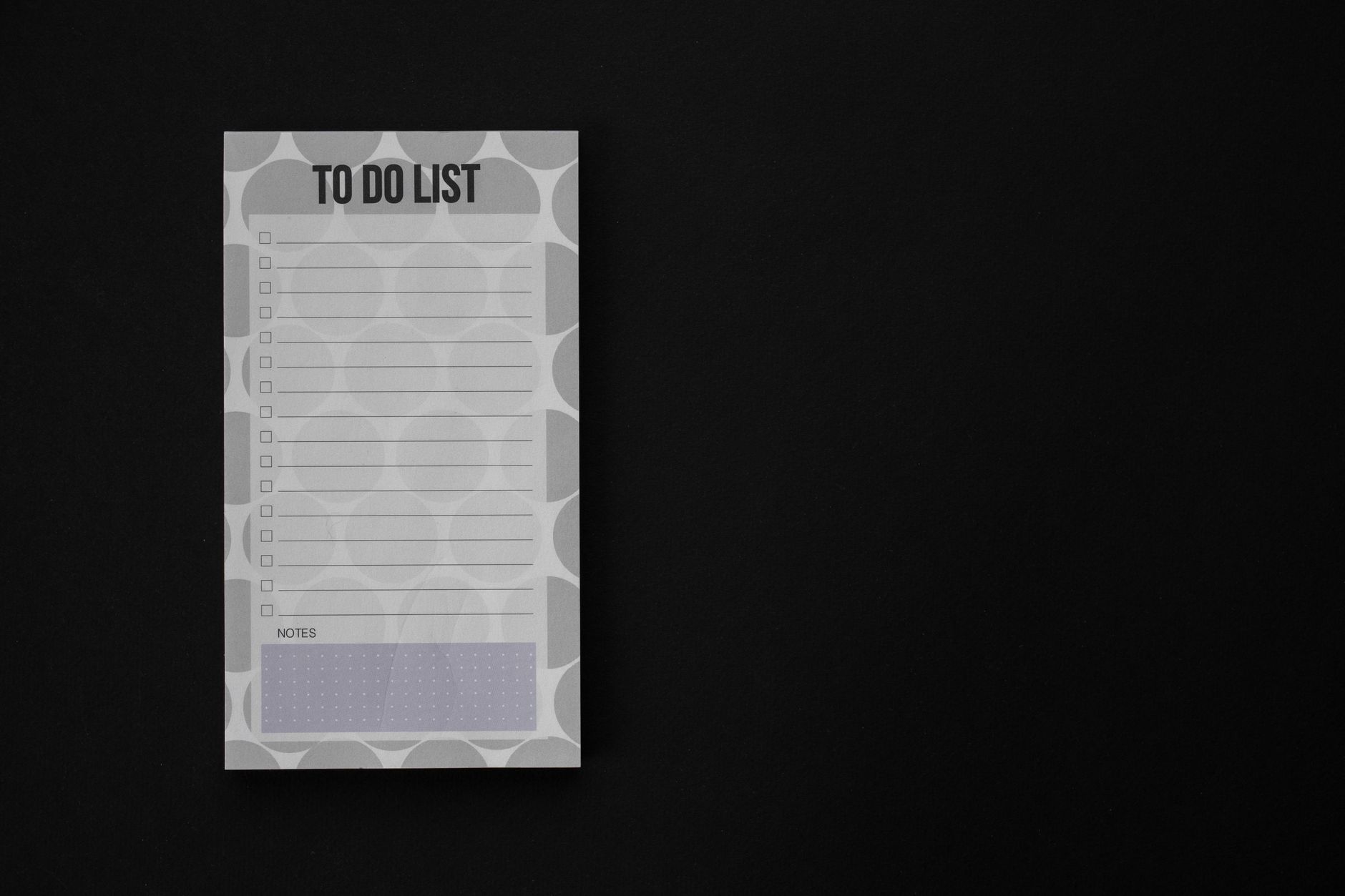
Few branded merchandise items sit as permanently in front of potential customers as a magnetic notepad stuck to a fridge door. If you’re exploring custom magnetic shopping list pads for grocery store promotions, you’ve landed on one of the most underrated yet consistently effective promotional products available to Australian businesses in 2026. Whether you’re a grocery retailer running a seasonal campaign, a FMCG brand launching a new product line, or a corporate team looking for a genuinely useful giveaway, branded magnetic shopping list pads deliver daily impressions in one of the most frequented spaces in any household — the kitchen.
This guide walks you through everything you need to know: why these products work, how to order them effectively, decoration options, budgeting considerations, and how to integrate them into your broader promotional strategy.
Why Custom Magnetic Shopping List Pads Work So Well as Promotional Products
The science behind effective promotional merchandise comes down to utility. Items that people actually use generate far more brand impressions than those that get tossed in a drawer. A magnetic shopping list pad hits the sweet spot — it’s practical, it’s visible, and it’s used repeatedly. Unlike a branded pen that runs dry or a tote bag that gets buried in a cupboard, a fridge magnet notepad stays front and centre every single day.
For grocery store promotions specifically, the relevance is immediate and obvious. When your brand logo is sitting on someone’s fridge — the very place they plan their grocery shop — you’re influencing purchasing decisions at the exact moment they matter. A Sydney-based supermarket running a loyalty promotion, or a Brisbane health food brand launching a new range, can embed their name directly into the weekly shopping routine of their customers.
This is why understanding how promotional items benefit a business is so important when choosing the right product for your campaign. The fridge notepad isn’t just a giveaway — it’s a daily touchpoint.
The Psychology of the Fridge Space
The kitchen fridge is prime real estate. Studies consistently show that Australians spend significant time in their kitchens, and the fridge is both a planning hub and a family communication board. Magnetic products placed here are seen multiple times daily by every member of the household, effectively multiplying your brand impressions without any additional cost after the initial giveaway.
For grocery retailers, this is particularly powerful. A branded shopping list pad becomes part of the weekly routine — customers write their list, go to the store, and return home to start the cycle again. Your brand is woven into that habit.
Specifications and Printing Options for Branded Magnetic Shopping List Pads
Getting the product specifications right is critical to both the quality of the finished item and the success of your promotion. Here’s what you need to know before placing an order.
Standard Specifications
Most custom magnetic shopping list pads in Australia come in A6 or A5 portrait formats, with 50 or 100 tear-off pages per pad. The magnet backing is typically a flexible magnetic strip or full magnetic backing, with the latter providing stronger fridge adhesion. Pages are usually lined, though dotted grids and custom-layout pages (including grocery category sections) are available for larger orders.
Common specifications include:
- Sheet counts: 50 or 100 sheets per pad (50-sheet pads are the most popular for promotional use)
- Cover weight: 300–350gsm card cover with your branding
- Sheet weight: 70–80gsm inner pages
- Magnet backing: Full-sheet flexible magnet or partial strip magnet
- Dimensions: A6 (105 x 148mm) is most common; A5 available for larger branding space
Decoration and Print Methods
The cover of a magnetic shopping list pad is where your branding shines. Full-colour digital printing is the standard decoration method, allowing for vivid, detailed artwork including photography, gradients, and brand colour matching. This makes them ideal for high-impact grocery promotions where product imagery or seasonal themes are part of the design.
If you want to understand the broader landscape of print methods used in Australian promotional merchandise, our comprehensive guide to screen printing and our detailed breakdown of pad printing for promotional products are worth reading alongside this guide.
For magnetic pads specifically, digital offset printing on the cover gives the sharpest reproduction at scale. PMS colour matching is available for brand-sensitive projects, ensuring your logo appears exactly as your style guide specifies.
Minimum Order Quantities and Turnaround
For custom magnetic shopping list pads, typical MOQs in Australia start around 250–500 units for basic configurations, with pricing becoming significantly more competitive at 1,000 units and above. For large grocery chain promotions covering multiple stores across states — say, a campaign running across Queensland and New South Wales — orders of 5,000 to 10,000 units are common.
Standard production turnaround is typically 10–15 business days from artwork approval. If you’re planning a seasonal promotion, factor in at least three to four weeks from brief to delivery to accommodate proof approval and freight, particularly for orders being shipped to regional areas or multiple locations.
How to Integrate Magnetic Pads into Your Grocery Store Promotion Strategy
A magnetic shopping list pad works hardest when it’s integrated into a broader promotional campaign rather than used as a standalone giveaway. Here are some of the most effective strategies Australian businesses are using right now.
In-Store Giveaways and Purchase Incentives
The most straightforward approach is a purchase-with-promotion mechanic — customers who spend over a certain threshold receive a branded magnetic pad at the register. A Melbourne-based organic food retailer, for example, might offer a branded notepad with every purchase over $40, tying the giveaway directly to basket size targets.
For grocery retailers, pairing a magnetic pad with other branded items can amplify the impact. Consider bundling with reusable cups or other home and lifestyle products to create a more premium gift-with-purchase package that encourages higher spending.
Trade Show and Expo Distribution
Grocery industry trade shows — including FMCG expos and retail conferences held regularly in Sydney, Melbourne, and Brisbane — are another ideal distribution channel. For trade show applications, magnetic pads work particularly well as a take-home item because they’re flat, lightweight, and immediately useful once delegates return to their offices or homes.
If you’re attending or exhibiting at an industry event, our guide on promotional items for trade shows and advice on setting up an effective trade show booth will help you get the most from your magnetic pad investment in that context.
Wholesale and Retail Distribution Programs
FMCG brands working through wholesale channels can use magnetic shopping list pads as part of retailer incentive programs — gifting them to store managers or category buyers as part of a relationship-building exercise. These branded items reinforce your brand every time a retail buyer writes their own shopping list or plans an order.
For more context on how Australian businesses are thinking about distribution for promotional products, our overview of promotional product distribution channel trends in Australia is a useful reference.
Seasonal Campaigns and Event Tie-Ins
Magnetic pads lend themselves naturally to seasonal campaigns. A back-to-school promotion in January or February could feature a list pad with a school supply checklist layout. A Christmas campaign might incorporate a festive gift list or entertaining checklist design. The functional format can be customised to match whatever the seasonal shopping moment is for your brand.
Budgeting for Custom Magnetic Shopping List Pads
Budget planning for any promotional product campaign requires balancing unit cost, decoration, freight, and timing. Here’s a realistic overview for Australian buyers in 2026.
At 500 units, expect to pay in the range of $3.50–$6.00 per unit depending on specifications. At 2,000 units, costs typically drop to $2.00–$3.50 per unit. For very large runs of 10,000+, unit costs can fall below $1.50 with competitive quoting.
Setup fees for digital printing are generally included in larger orders, though some suppliers charge a one-off artwork setup fee for smaller quantities. Always request a digital proof before approving production, and ask whether a physical sample of the specific product is available before committing to a large order.
For broader context on navigating wholesale pricing and supplier relationships in Australia, our guide to wholesale promotional products in Australia covers the key considerations well.
Don’t overlook freight costs, especially for heavy or bulky orders. While magnetic pads are relatively flat and stack efficiently, a run of 5,000+ units will add meaningful freight cost, particularly for deliveries to Perth, Darwin, or Tasmania.
Artwork and Design Tips for Maximum Impact
Your artwork is everything on a product that lives on a fridge door. A few principles to keep in mind:
- Keep the logo prominent: The fridge-facing cover should feature your logo at a size that’s visible at a glance. Avoid over-crowding the design.
- Use contrasting colours: High contrast between background and logo ensures legibility from a distance.
- Include a call to action or URL: A web address, QR code, or short tagline can drive ongoing engagement — especially useful for grocery brands wanting to direct customers to online ordering or loyalty programmes.
- Brand the pages too: Even a subtle header or footer logo on each page extends your impressions beyond the cover.
- Align the layout with function: Grocery-specific layouts (categories like Fruit & Veg, Dairy, Meat, Pantry) make the pad more useful and reinforce its purpose.
For more insights on 2026 promotional stationery trends in Australia, including what’s working in custom print products right now, that post is worth a read before finalising your design brief.
Key Takeaways
Choosing and executing a custom magnetic shopping list pad campaign for your grocery store promotion or FMCG brand doesn’t need to be complicated. Here’s a quick summary of the most important points:
- Utility drives retention: Branded magnetic shopping list pads remain in front of customers daily, generating more long-term impressions than most giveaway items at a comparable price point.
- Match specs to campaign scale: MOQs typically start at 250–500 units; cost efficiency improves significantly at 1,000+ units. Plan well ahead of your launch date, allowing at least three to four weeks for production and delivery.
- Full-colour digital printing is the standard: For vivid, brand-accurate results on the cover, digital offset printing with PMS colour matching is the way to go.
- Integration multiplies impact: Magnetic pads perform best as part of a broader promotional mechanic — purchase incentives, trade show giveaways, or seasonal campaigns — rather than as a standalone item.
- Design for the fridge: Your artwork should be clear, high-contrast, and functional. A useful page layout increases the likelihood that customers will actually use the pad — and see your brand — every single day.
Custom magnetic shopping list pads for grocery store promotions represent one of the most cost-effective ways for FMCG brands, supermarkets, and food retailers to build consistent brand visibility in Australian homes. When designed well and distributed strategically, they don’t just sit in a bag after an event — they stick around, quite literally, for months.