
How to Run a Successful Promotional Item Business in Australia
Discover how to build, manage, and grow a promotional item business in Australia with expert tips on products, pricing, and client strategy.

Written by
Corey Bishop
Corporate Gifts
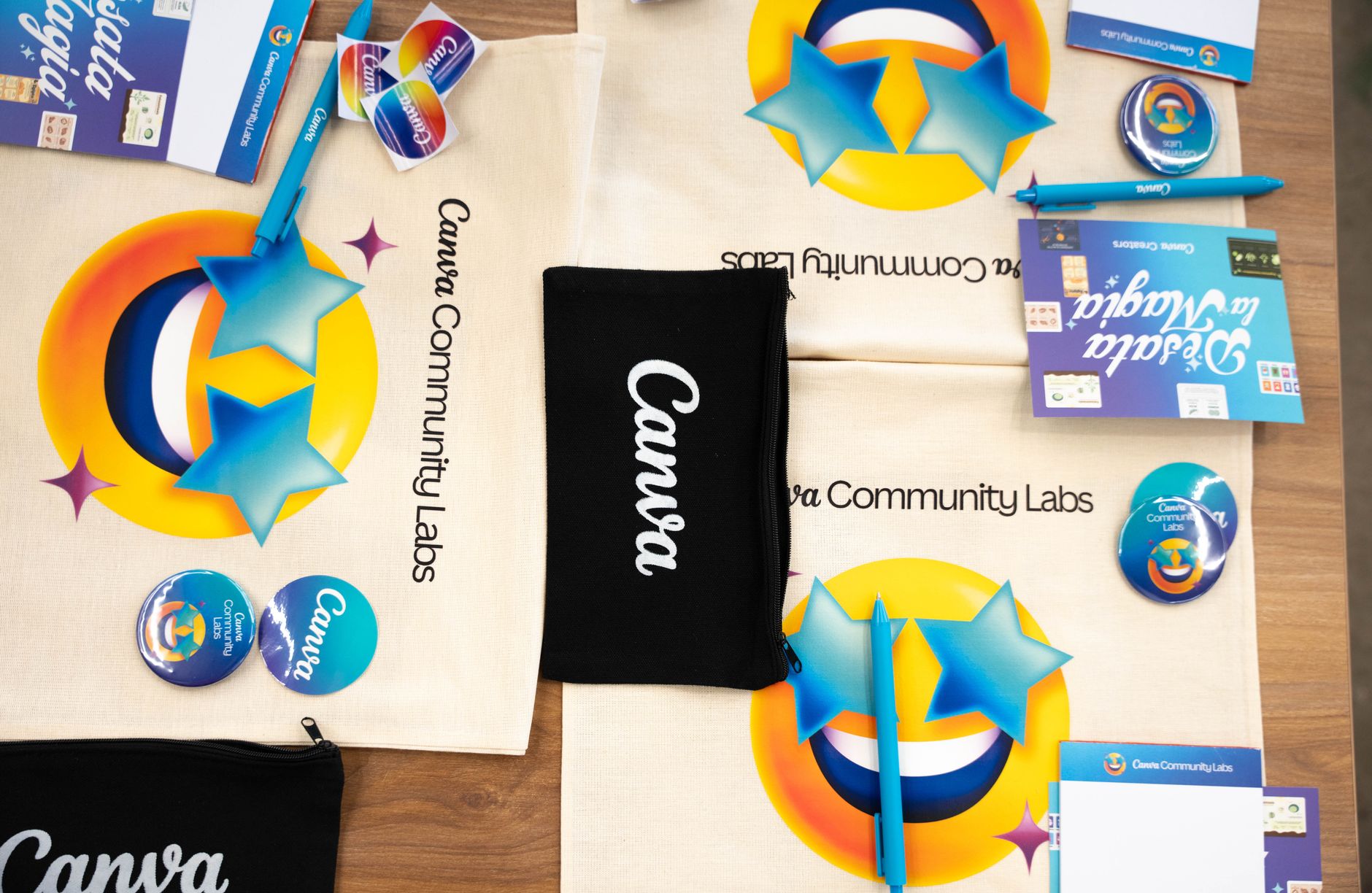
Running a promotional item business in Australia is one of the most dynamic and rewarding ventures in the broader marketing and branding services sector. Whether you’re helping a Sydney fintech startup build brand recognition at a trade expo, supplying a Melbourne council with eco-friendly conference bags, or kitting out a Brisbane footy club with custom caps and hoodies, the demand for high-quality branded merchandise is constant — and growing. But like any business, success in the promotional products space requires more than just access to suppliers. It demands an understanding of product categories, decoration methods, client needs, and smart operational practices. This guide walks you through everything you need to know about building and managing a thriving promotional item business in Australia.
What a Promotional Item Business Actually Does
At its core, a promotional item business acts as a bridge between organisations that need branded merchandise and the suppliers, decorators, and manufacturers who produce it. You’re not just selling products — you’re selling solutions. A client doesn’t come to you asking for a tote bag; they come to you because they’re running a conference in Adelaide and they need 500 delegate packs filled with useful, branded items that leave a lasting impression.
The scope of work is broad. You might be sourcing custom branded drinkware for a corporate wellness campaign, arranging embroidered polo shirts for a Gold Coast real estate agency, or helping a Hobart primary school organise printed t-shirts for their annual sports day. Each project has different requirements, timelines, and budget expectations — and navigating all of that efficiently is what separates a strong promotional item business from a struggling one.
The Key Services You’ll Need to Offer
To compete effectively, your business should be equipped to handle:
- Product sourcing and curation — identifying the right products from a wide range of categories including apparel, drinkware, bags, stationery, tech accessories, and eco-friendly options
- Artwork preparation and proofing — working with client logos and artwork files to produce print-ready proofs
- Decoration management — overseeing screen printing, embroidery, sublimation, laser engraving, pad printing, and other decoration methods
- Order fulfilment and logistics — managing production timelines, quality control, and delivery to clients across Australia
- Client consultation — advising clients on what products suit their audience, budget, and brand guidelines
Understanding the technical side of decoration is particularly important. For instance, knowing when to recommend embroidery versus screen printing for a specific garment — or why sublimation is better suited to certain fabric types — positions you as an expert adviser rather than just an order taker.
Building Your Product Range
One of the most important decisions for any promotional item business is determining which product categories to focus on, especially in the early stages. Trying to offer everything at once can be overwhelming and inconsistent. Instead, consider starting with high-demand staples and expanding from there.
High-Demand Categories to Prioritise
Custom Apparel Branded clothing remains one of the most popular and profitable categories in the promotional products industry. T-shirts, polo shirts, hoodies, and caps are perennial favourites across corporate teams, schools, events, and sporting clubs. Understanding garment quality tiers, decoration suitability, and sizing options is essential. Our guide to custom branded apparel for businesses covers the landscape in detail.
Drinkware Keep cups, stainless steel water bottles, and branded mugs are consistently strong sellers — particularly for corporate clients focused on sustainability and everyday brand visibility. A well-branded insulated drink bottle can stay in use for years, making it one of the best value-per-impression items in any product range.
Bags and Totes From conference tote bags to premium backpacks and cooler bags, this category serves a huge range of clients. A Perth resources company kitting out new employees and a Darwin tourism operator sending guests home with a branded beach bag are both in the market for the same general category — but with very different product needs.
Tech Accessories USB drives, power banks, phone stands, and wireless chargers appeal strongly to corporate clients and conference organisers. Margins can be solid in this category, but quality control is critical — particularly with electronics sourced offshore.
Eco-Friendly Products Sustainability is now a genuine client priority, not just a trend. Bamboo pens, recycled tote bags, seed paper notepads, and reusable produce bags are increasingly requested, especially by government departments, councils, and not-for-profits. Offering a strong range of eco-friendly promotional products can be a genuine point of difference.
Pricing, MOQs, and Margin Strategy
Understanding how to price your services is fundamental to running a sustainable promotional item business. Unlike retail, promotional products pricing involves multiple variables — product cost, decoration cost, setup fees, freight, and your margin.
Understanding MOQs and Pricing Tiers
Most suppliers work with minimum order quantities (MOQs), which typically range from 25 to 100 units for standard products, though some items carry higher minimums. MOQs directly affect your pricing strategy — smaller orders cost more per unit, while larger runs bring the unit cost down significantly. If a Canberra government department orders 2,000 branded pens compared to a local café ordering 50, the per-unit economics are completely different.
Setup fees are another factor clients often overlook. Screen printing, for example, typically involves a setup fee per colour per print position. Embroidery has a digitisation fee for the initial logo conversion. Being transparent about these costs upfront builds trust and prevents unpleasant surprises at invoicing.
Most experienced operators in the promotional item business work on gross margins of 30–50%, though this varies by product category and client relationship. Premium products, rush orders, and complex decoration work typically command higher margins. Our buying guide to budgeting for branded merchandise explores how to set realistic expectations with clients.
Managing Client Relationships and Projects
The promotional item business is fundamentally a service business. Products are the vehicle — relationships and reliability are the real differentiators.
Setting Clear Expectations from the Start
Every project should begin with a clear brief that captures the client’s goals, target audience, budget, required quantities, deadline, and any specific brand guidelines. Rushing this stage is one of the most common mistakes new operators make. A well-documented brief protects both you and the client if questions arise later.
Turnaround times are a common point of friction. Standard production for most decorated products runs 10–15 business days from proof approval, while rush orders (where available) might compress this to 5–7 business days at a premium cost. Always build buffer time into your delivery estimates — suppliers can run behind, freight can be delayed, and artwork revisions take time.
For large or complex orders, consider offering physical samples before committing to full production. This is especially valuable for corporate uniform programs, where a Perth mining company ordering 500 embroidered polo shirts will want to confirm garment fit, colour accuracy, and embroidery quality before the full run proceeds. Learn more about the importance of ordering samples before bulk production.
Repeat Business and Client Retention
The best promotional item businesses thrive on repeat clients. A corporate client who orders once and has a great experience will return for their next event, their staff onboarding kits, their Christmas gifting campaign, and their next product launch. Building processes that make reordering easy — archived artwork files, saved order histories, proactive check-ins ahead of key dates — keeps clients loyal and reduces the cost of acquisition over time.
Seasonal opportunities are worth actively pursuing. The lead-up to Christmas is the biggest period in the promotional products calendar, with demand spiking for corporate Christmas gifts, branded hampers, and end-of-year merchandise. Starting conversations with clients in September rather than November gives you a significant competitive advantage.
Decoration Methods: What Every Operator Should Know
Your credibility as a promotional item business operator depends heavily on your decoration knowledge. Clients trust you to recommend the right method for their product and budget — and getting this wrong can result in poor-quality outcomes and damaged relationships.
Screen printing delivers bold, cost-effective results for high-volume flat items like t-shirts, tote bags, and stationery. Embroidery is the preferred method for corporate polos, caps, and workwear, offering a premium, durable finish. Laser engraving suits hard goods like metal drinkware, pens, and USB drives. Sublimation allows for full-colour, all-over prints on suitable substrates. Pad printing works well for small, hard promotional items like keyrings and plastic pens.
Diving deeper into these techniques — including their artwork requirements and cost implications — is covered in our complete guide to decoration methods for branded merchandise.
Targeting the Right Client Sectors
A smart promotional item business doesn’t try to serve everyone equally. Identifying two or three core sectors and building deep expertise in their needs is a far more effective growth strategy than casting a wide net.
Corporate businesses and event organisers are the backbone of most promotional products operations. But schools and universities, sporting clubs, healthcare organisations, and not-for-profits all represent strong, recurring revenue streams. Understanding the specific needs of these sectors — for example, how branded merchandise supports school fundraising or how charities use promotional products to build donor engagement — allows you to speak their language and earn their trust.
Government and council clients in particular can be highly valuable, with large budgets and consistent annual requirements. However, they often require compliance documentation, ethical sourcing declarations, and competitive tendering processes, so it pays to be prepared.
Conclusion: Key Takeaways for a Successful Promotional Item Business
Building a profitable and respected promotional item business in Australia takes knowledge, process discipline, and genuine commitment to client outcomes. The market is strong, the product range is exciting, and the opportunities across sectors are vast — but sustainable success comes from doing the fundamentals well.
Here are the most important things to take away from this guide:
- Know your products deeply — understanding categories, decoration methods, and quality tiers is what transforms you from an order processor into a trusted adviser
- Price with clarity — be transparent about MOQs, setup fees, and freight costs to build client trust and protect your margins
- Invest in client relationships — repeat business and referrals are the lifeblood of any promotional item business, so prioritise communication, reliability, and follow-through
- Specialise strategically — focusing on two or three key sectors allows you to build deeper expertise and more compelling client propositions
- Stay ahead of trends — eco-friendly products, sustainable packaging, and premium quality are reshaping client expectations; keep your range current and your advice relevant
The promotional item business space rewards those who combine product knowledge with genuine client focus. Get that combination right, and the growth potential across Australia’s corporate, education, events, and government sectors is substantial.