
Recycling Apparel: A Practical Guide for Businesses Ordering Sustainable Branded Clothing
Discover how Australian businesses can embrace recycling apparel for branded merch — from fabric choices to end-of-life programmes and eco printing.

Written by
Darcy Flynn
Custom Apparel
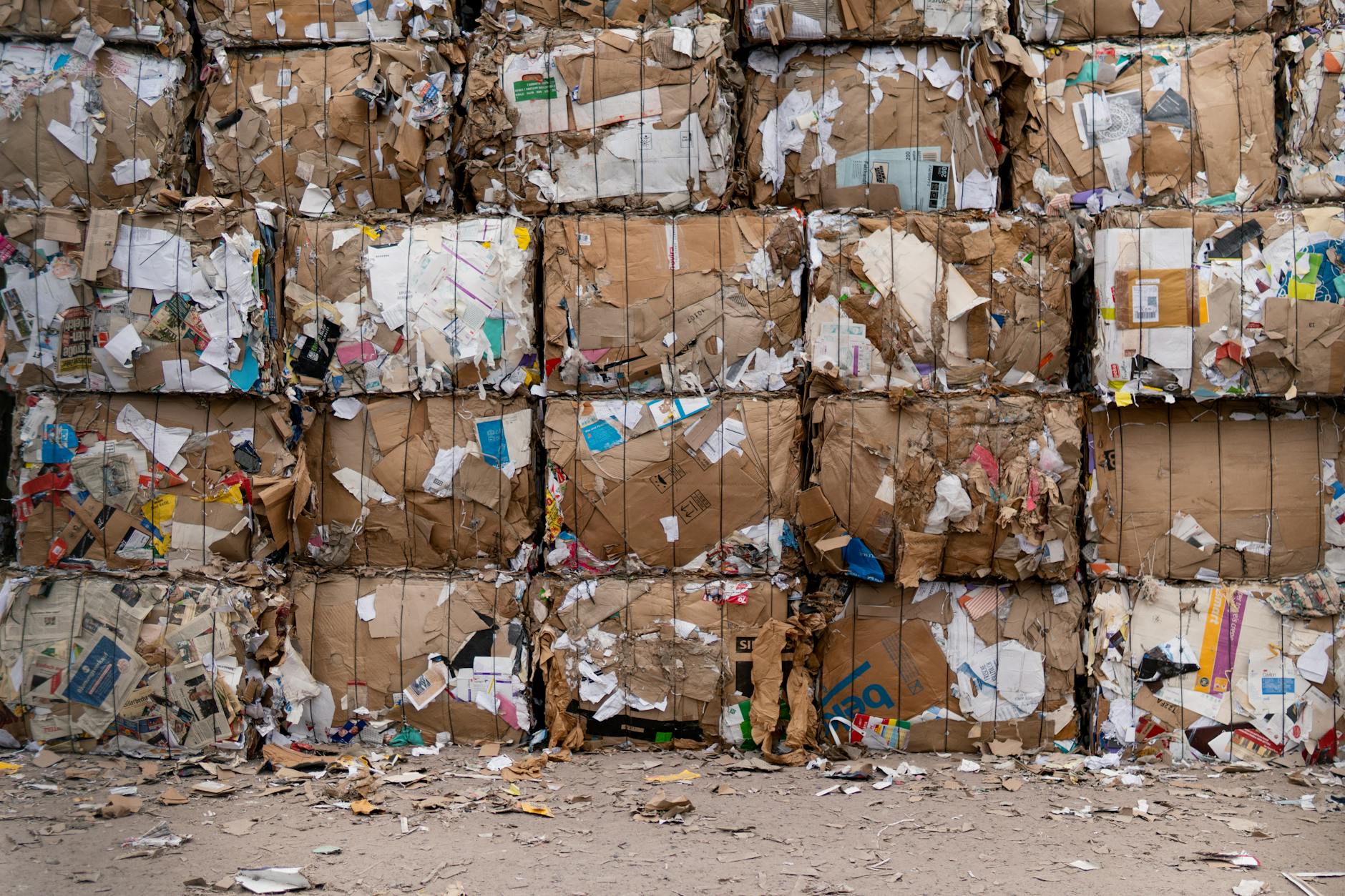
Branded clothing is one of the most visible investments an organisation can make — but what happens to those polo shirts, hoodies, and event tees when they’ve reached the end of their useful life? For Australian businesses, corporate teams, and event organisers who are increasingly conscious of their environmental footprint, recycling apparel is no longer a niche concern. It’s fast becoming a mainstream expectation. Whether you’re a Sydney-based corporate team ordering hundreds of staff uniforms or a Brisbane event organiser planning a large-scale conference, understanding how to approach apparel recycling — both in terms of what you order and what you do with it afterwards — can make a genuine difference to your sustainability credentials and your bottom line.
Why Recycling Apparel Matters for Australian Businesses
Australia generates an enormous volume of textile waste each year. The fashion and workwear industries combined contribute significantly to landfill, with millions of garments discarded annually across the country. Branded merchandise adds to this figure — think about the sheer volume of promotional t-shirts handed out at trade shows in Melbourne, or the end-of-season stock from Gold Coast sporting clubs that never quite got worn out.
The good news is that awareness is growing. More businesses are asking the right questions before they place an order: What is this garment made from? How long will it last? Can it be recycled or repurposed when we’re done with it? These questions are reshaping how organisations source and manage their branded apparel.
From a reputational standpoint, sustainable procurement is also becoming a key differentiator. Government departments in Canberra, councils across Perth and Adelaide, and large corporates in Melbourne’s CBD are increasingly embedding sustainability criteria into their procurement policies. If your branded merchandise doesn’t align with these values, it can become a barrier — both internally and externally.
The Environmental Cost of Fast Merch
It’s worth pausing to consider the lifecycle of a standard promotional garment. A cheap, low-GSM cotton t-shirt produced purely for a one-day event may be worn once, washed once, and then discarded. When you multiply that by hundreds or thousands of units, the environmental impact becomes significant. Polyester garments, while durable, can take over 200 years to decompose in landfill. Even natural fibres like cotton require vast amounts of water and agricultural input to produce.
This doesn’t mean branded clothing is inherently unsustainable — far from it. It means that the choices you make at the sourcing stage, and the end-of-life plans you put in place, are what truly determine the environmental outcome.
Choosing Recycled and Recyclable Fabrics for Branded Clothing
One of the most impactful decisions you can make is selecting garments that are made from recycled materials in the first place. This is where recycling apparel starts — not at the bin, but at the point of order.
Recycled Polyester (rPET)
Recycled polyester, often referred to as rPET, is produced from post-consumer plastic waste — primarily PET plastic bottles. It performs comparably to virgin polyester in terms of durability and moisture-wicking properties, making it an excellent choice for performance activewear, sports polos, and hi-vis workwear. A Melbourne sporting club ordering training singlets in rPET fabric is making a tangible sustainability choice without sacrificing quality.
rPET garments are widely available through Australian branded merchandise suppliers and can be screen printed, sublimated, or embroidered without issue. If you’re unfamiliar with decoration method considerations, our guide to screen printing vs embroidery for custom apparel walks through the key differences to help you decide what works best for your garment type.
Organic and Recycled Cotton
Organic cotton is grown without synthetic pesticides and uses significantly less water than conventional cotton. Some garment manufacturers go a step further by incorporating post-industrial recycled cotton — offcuts and fabric waste that would otherwise go to landfill — blended into new textiles.
For organisations that want to avoid synthetic fibres altogether, organic cotton tees and polos are a popular choice. They tend to be slightly higher in cost but offer a premium feel that works well for corporate gifting situations. If you’re exploring how to position premium branded clothing for your team or clients, our overview of branded corporate apparel options is a useful starting point.
Blended and Certified Fabrics
Look for garments that carry recognised certifications such as GOTS (Global Organic Textile Standard), OEKO-TEX Standard 100, or Bluesign. These certifications indicate that the fabric has been produced responsibly and, in some cases, that the garment itself meets recyclability standards. When briefing a supplier, don’t be shy about asking for certification documentation — reputable suppliers will have it readily available.
Decoration Methods and Their Impact on Recyclability
Here’s something that doesn’t get discussed enough: the decoration method you choose can directly affect whether a garment can be recycled at end-of-life.
Screen Printing Considerations
Traditional plastisol-based screen printing uses PVC and phthalates that can complicate the recycling process. Water-based inks are a much better alternative — they bond with the fabric fibres rather than sitting on top of them, which makes garments more recyclable. If you’re screen printing on recycled fabric, specifying water-based inks is a smart move. Our detailed guide to screen printing for custom apparel covers everything you need to know about specifying ink types when placing your order.
Embroidery
Embroidery uses thread that is essentially a separate material to the base fabric. While embroidered garments can still be recycled through textile collection programmes, the embroidery threads — often polyester — can complicate sorting at recycling facilities. For organisations prioritising end-of-life recyclability, a minimal embroidery approach (small chest logos rather than large back pieces) is preferable.
Heat Transfer and Sublimation
Heat transfer vinyl adds a plastic layer to the garment, which is generally not recyclable. Sublimation printing, however, bonds dye directly into the fabric at a molecular level, making it one of the more recyclable decoration options. It works exclusively on polyester fabrics, which aligns well with rPET garment options. For further context, our comparison of sublimation vs heat transfer printing explains when each method is appropriate.
End-of-Life Programmes: What to Do With Old Branded Clothing
Even with the best intentions at the sourcing stage, every garment eventually wears out. This is where a proactive recycling apparel strategy really comes into its own.
Textile Collection and Recycling Schemes
Australia has a growing network of textile collection programmes. Some councils, particularly in inner-city areas of Sydney, Melbourne, and Brisbane, offer kerbside or drop-off textile collection. Organisations like REDcycle (for soft plastics) have paved the way for garment-specific equivalents. There are also national charity-based collection programmes that accept workwear and uniforms for redistribution or repurposing.
For large organisations retiring uniform stock — say, a healthcare provider in Adelaide updating its branded scrubs — engaging a specialised textile recycler makes sense. These facilities can strip out zips, buttons, and embellishments before shredding and repurposing the base fabric as insulation material, cleaning rags, or recycled fibre blends.
Brand-Managed Take-Back Programmes
Some forward-thinking businesses are establishing their own take-back programmes, particularly in sectors with high uniform turnover such as hospitality, healthcare, and retail. Staff return worn uniforms at the point of replacement, and the business takes responsibility for arranging recycling or upcycling. This approach is also excellent for brand protection — ensuring old branded garments don’t end up being worn by unauthorised individuals.
Upcycling and Repurposing
Before a garment reaches the end of its life completely, consider whether it can be repurposed internally. Old event tees can become rags, cleaning cloths, or craft materials. Some creative organisations have their old branded hoodies cut and resewn into tote bags or aprons — a great story for staff and clients alike.
Budgeting for Sustainable Branded Apparel
It’s only fair to acknowledge that sustainable fabrics and responsible decoration methods often carry a higher unit cost than standard alternatives. A recycled polyester polo might cost 15–30% more than a conventional equivalent. Water-based screen printing inks may also add a small premium to setup costs.
However, the calculus changes when you consider the full picture. Higher quality garments last longer, reducing replacement frequency. Organisations that can demonstrate genuine sustainability credentials in their procurement often unlock government contracts, partnership opportunities, and employee goodwill that more than offset the incremental cost difference.
For event organisers working with tighter budgets, our tips for ordering custom event t-shirts without blowing your budget offer practical guidance on balancing quality and cost without compromising on sustainability goals.
When comparing quotes, make sure you’re asking suppliers to itemise setup fees, decoration costs, and any sustainability certifications separately. This makes it easier to compare apples with apples — and helps you identify where you can make efficiency gains.
Communicating Your Sustainable Apparel Choices
Once you’ve made considered, responsible choices about your branded clothing, make sure your stakeholders know about it. Include a brief note on your garments’ composition and recyclability on your internal communications, event programmes, or even on a swing tag attached to the garment.
A Canberra government department, for example, distributing branded tote bags made from recycled PET at a staff sustainability day has a compelling story to tell — but only if the message is communicated clearly. Our guide to sustainable branded merchandise for Australian organisations explores how to build a cohesive sustainability narrative across your entire merchandise programme.
Conclusion: Key Takeaways for Recycling Apparel in Your Organisation
Approaching branded clothing with a recycling-first mindset doesn’t require a complete overhaul of how you order. It simply means making smarter, more informed decisions at each stage of the process — from fabric selection through to end-of-life planning.
Here are the key takeaways to keep in mind:
- Start at the source: Choose garments made from recycled or certified sustainable fabrics like rPET or organic cotton to reduce environmental impact before the clothing is even worn.
- Choose decoration methods wisely: Water-based inks and sublimation printing are more recyclable-friendly than plastisol screen printing or heat transfer vinyl.
- Plan for end-of-life: Whether through textile collection schemes, take-back programmes, or upcycling, have a clear plan for what happens when your branded clothing is retired.
- Don’t let cost be the only driver: Higher quality sustainable garments often have a lower total cost over time due to increased durability and reduced replacement cycles.
- Tell your sustainability story: Communicate your responsible choices to staff, clients, and stakeholders — it reinforces your brand values and builds genuine credibility.
Recycling apparel is not a trend that’s going away. For Australian businesses that want to lead on sustainability, it’s an opportunity to align procurement decisions with organisational values — and to set a standard that staff and partners will respect.