
Branded Australia: The Complete Guide to Branded Merchandise for Australian Businesses
Discover how Australian businesses can use branded merchandise strategically to boost visibility, build loyalty, and make a lasting impression.

Written by
Corey Bishop
Corporate Gifts
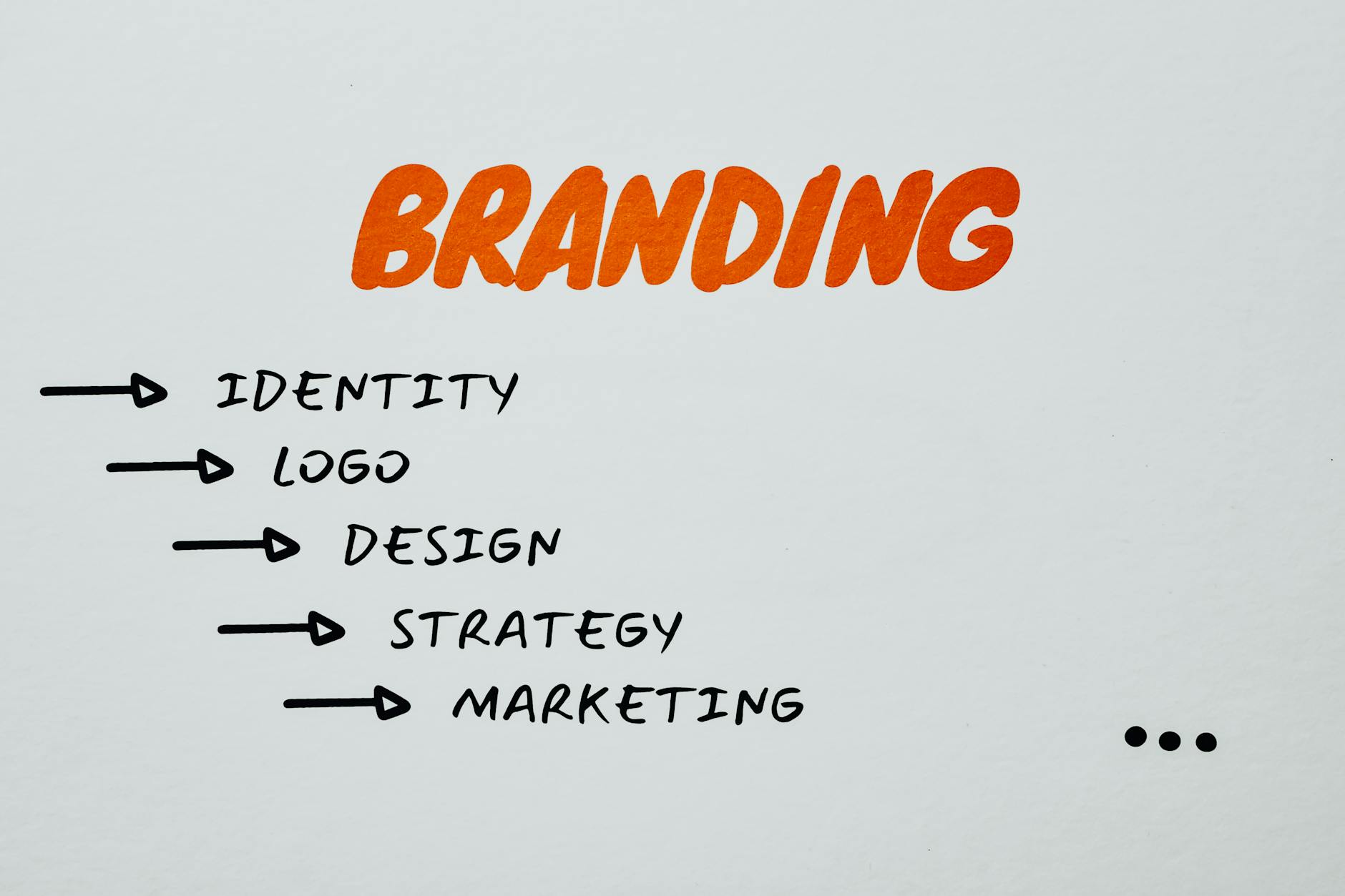
Branded merchandise has become one of the most powerful tools in the modern Australian business toolkit. Whether you’re a Sydney-based corporate team preparing for a major conference, a Brisbane sporting club kitting out its members, or a Melbourne council looking to make a meaningful impact at a community event, the right branded products can transform how your organisation is perceived. But navigating the world of branded Australia — the suppliers, the products, the decoration methods, and the strategy behind it all — can feel overwhelming without the right guidance. This comprehensive guide breaks it all down so you can approach your next merchandise project with confidence.
What “Branded Australia” Really Means for Businesses
When people search for branded Australia, they’re typically looking for one of two things: custom-branded products made or supplied within Australia, or a deeper understanding of how Australian businesses are using branded merchandise to strengthen their identity. The answer, in practice, covers both.
Australia has a thriving promotional products industry. From Perth to Hobart, and Darwin to Adelaide, organisations of every size and type are investing in branded merchandise as part of their marketing, HR, and event strategies. The market has matured significantly, with buyers now expecting higher quality, more sustainable options, and smarter customisation rather than the generic, low-quality giveaways of previous decades.
The distinction between “branded merchandise” and “promotional products” is worth clarifying here. Branded merchandise refers to items that carry an organisation’s logo, name, colours, or messaging — and it spans everything from custom apparel and drinkware to tech accessories, stationery, bags, and beyond. Promotional products are a subset of this, typically referring to items given away for marketing purposes. For most Australian businesses, the two overlap significantly.
Understanding wholesale promotional products Australia is a good starting point if you’re sourcing in volume, as bulk pricing tiers can dramatically reduce your per-unit cost and improve your campaign’s overall ROI.
Key Product Categories Driving Branded Merchandise in Australia
Not all branded products are created equal. The best choices for your organisation will depend on your audience, your budget, and the occasion. That said, certain categories consistently perform well across the Australian market.
Custom Apparel
Custom apparel remains the cornerstone of branded merchandise in Australia. T-shirts, polo shirts, hoodies, caps, and hi-vis workwear all serve dual purposes: they build team cohesion internally and create walking advertisements externally. A well-embroidered polo shirt handed to a new employee in a Canberra government department communicates professionalism in a way that a business card simply cannot.
Screen printing and embroidery are the two dominant decoration methods for apparel. Screen printing on custom polo shirts is particularly popular for large orders where vibrant, consistent colours are needed. If you’d like to understand the full capabilities of screen printing as a decoration method, our deep-dive into screen printing covers everything from mesh counts to ink types and what to expect when you place an order.
Drinkware
Branded drinkware is one of the highest-retention categories in the industry. Coffee cups, keep cups, water bottles, and stubby holders are all products that recipients actually use — which means your logo gets daily impressions rather than ending up in a drawer.
For corporate clients, a branded reusable cup gifted at a conference is not just a functional item — it’s a sustainability statement. You can explore reusable cups as a standalone product category to understand print options, MOQs, and what to look for in quality.
Stubby holders remain a staple for events, sporting clubs, and trade shows across Queensland, Victoria, and South Australia. They’re affordable, highly brandable via sublimation or pad printing, and genuinely loved by recipients.
Tote Bags and Carry Products
Branded tote bags have experienced a massive resurgence in Australia, driven largely by the growing rejection of single-use plastic bags and the rise of eco-conscious consumers. A well-designed tote bag serves as a reusable billboard for your brand.
Customised tote bags offer excellent surface area for bold, colourful designs and are popular across sectors ranging from retail and real estate to universities and charities. For events specifically, tote bags make ideal delegate packs, capable of holding your entire suite of branded materials.
Tech Accessories
Branded USB drives, power banks, and phone accessories remain popular corporate gifts — particularly for clients in the tech, finance, and consulting sectors. A Brisbane IT consultancy gifting branded USB sticks to enterprise clients, for instance, creates a practical touchpoint that aligns with the brand’s identity. Explore promotional USB sticks for specifications, storage options, and what decoration methods suit different form factors.
Stationery and Office Products
Branded notebooks, pens, lanyards, and desk accessories are reliable performers in the Australian corporate gifting space. In 2026, we’re seeing a noticeable shift toward premium stationery with a sustainability angle — bamboo pens, recycled notebooks, and ethically sourced leather goods. Check out the latest promotional stationery trends in Australia 2026 for a detailed look at what’s resonating with corporate buyers right now.
Choosing the Right Decoration Method
Selecting the right decoration method is just as important as selecting the right product. The wrong method can result in logos that fade, crack, or simply don’t look professional — and that reflects directly on your brand.
Pad printing is one of the most versatile methods and suits smaller surfaces like pens, lids, and promotional items with curved surfaces. Our quality guide to pad printing explains when to choose this method and how to prepare artwork for best results.
Embroidery delivers a premium, tactile finish and is ideal for corporate apparel, caps, and bags. It’s particularly well-suited to polo shirts and jackets where longevity is important.
Sublimation works best on polyester fabrics and hard substrates, producing vibrant, all-over prints that won’t crack or fade. It’s ideal for branded sports jerseys, custom stubby holders, and full-colour mugs.
Laser engraving creates a sophisticated, permanent finish on metal, wood, and glass — making it the decoration method of choice for premium corporate gifts and awards.
Branded Australia in Action: Event and Trade Show Merchandise
Events are where branded merchandise earns its keep most visibly. Whether it’s a trade show at the Melbourne Convention Centre, a corporate conference in Sydney, or an outdoor event on the Gold Coast, the right branded products can set your organisation apart from the crowd.
For trade shows specifically, your merchandise needs to work hard — drawing people to your stand and leaving a lasting impression once they leave. Read our guide on promotional items for trade shows and how to design your trade show booth for a strategic approach to event merchandise.
Outdoor events introduce some unique opportunities. Branded kites, for example, are an eye-catching and memorable product for coastal festivals, beach events, and sports sponsorships. If you’re organising events in Queensland or along the coast, explore promotional kites for beach and coastal events in Australia and promotional kites for sports sponsorships in Australia — they’re a genuinely differentiated option that gets noticed. For those operating specifically in Southeast Queensland, promotional kites in Brisbane covers local considerations.
For conference delegate packs, think beyond the standard pen and notepad. Promotional popcorn for conference delegate packs is a surprisingly effective inclusion — it’s fun, shareable, and highly brandable with custom packaging.
Sustainable Branded Merchandise: A Growing Priority
Sustainability has moved from a “nice to have” to a core expectation for many Australian organisations. Government departments, universities, charities, and increasingly corporate businesses are scrutinising the environmental credentials of their branded merchandise.
Eco-friendly options now span most product categories — from recycled tote bags and bamboo drinkware to biodegradable pens and organic cotton apparel. If your organisation is committed to reducing its environmental footprint, recycling apparel is worth reading for guidance on responsible choices within the custom apparel space.
For event organisers looking for sustainable engagement products, reusable water balloons are an innovative option gaining traction at family events, school fairs, and community activations across Australia.
Sourcing and Supply: Finding the Right Partner
Finding a reliable branded merchandise supplier in Australia requires due diligence. Turnaround times, product quality, artwork support, and customer service vary significantly. For businesses based in Western Sydney, promotional product suppliers near Parramatta provides locally relevant sourcing information.
For organisations with tighter budgets or novelty-product requirements, promotional lollies in Sydney is an example of how even food-based branded products can deliver strong results at accessible price points.
Staying across promotional product distribution channel trends in Australia is also worthwhile — the shift toward online ordering, direct-to-brand supply chains, and faster fulfilment is reshaping how Australian businesses procure branded merchandise.
Key Takeaways
Navigating the branded Australia landscape doesn’t need to be complicated. With the right product choices, a clear strategy, and a reliable supply partner, branded merchandise can deliver outstanding value for your organisation — whether you’re building brand awareness, rewarding loyalty, or making an impact at your next event. Here’s a summary of the most important points from this guide:
- Match product to audience: The best branded merchandise is genuinely useful and relevant to the recipient — not just the cheapest option available.
- Decoration method matters: Choosing the right method (screen printing, embroidery, pad printing, sublimation, or laser engraving) ensures your branding looks professional and lasts.
- Plan for sustainability: Australian audiences increasingly expect eco-conscious choices — factor in sustainable products where your budget and brief allow.
- Events require strategy: For trade shows, conferences, and outdoor activations, your branded merchandise should have a clear purpose — to attract, engage, or retain.
- Sourcing locally pays dividends: Working with Australian-based suppliers generally means better communication, faster turnaround times, and easier resolution if issues arise.
Branded Australia is not just a phrase — it’s a thriving ecosystem of products, strategies, and suppliers helping organisations across the country build stronger, more memorable brands. Use this guide as your starting point, and don’t hesitate to dig into the more detailed resources linked throughout for specialist advice on specific products and categories.