
Real Corporate Gifting Case Studies From Australia That Deliver Results
Discover real-world corporate gifting case studies from Australia showing what works, what doesn't, and how to maximise your branded merch ROI.

Written by
Aisha Kone
Industry Trends & Stats
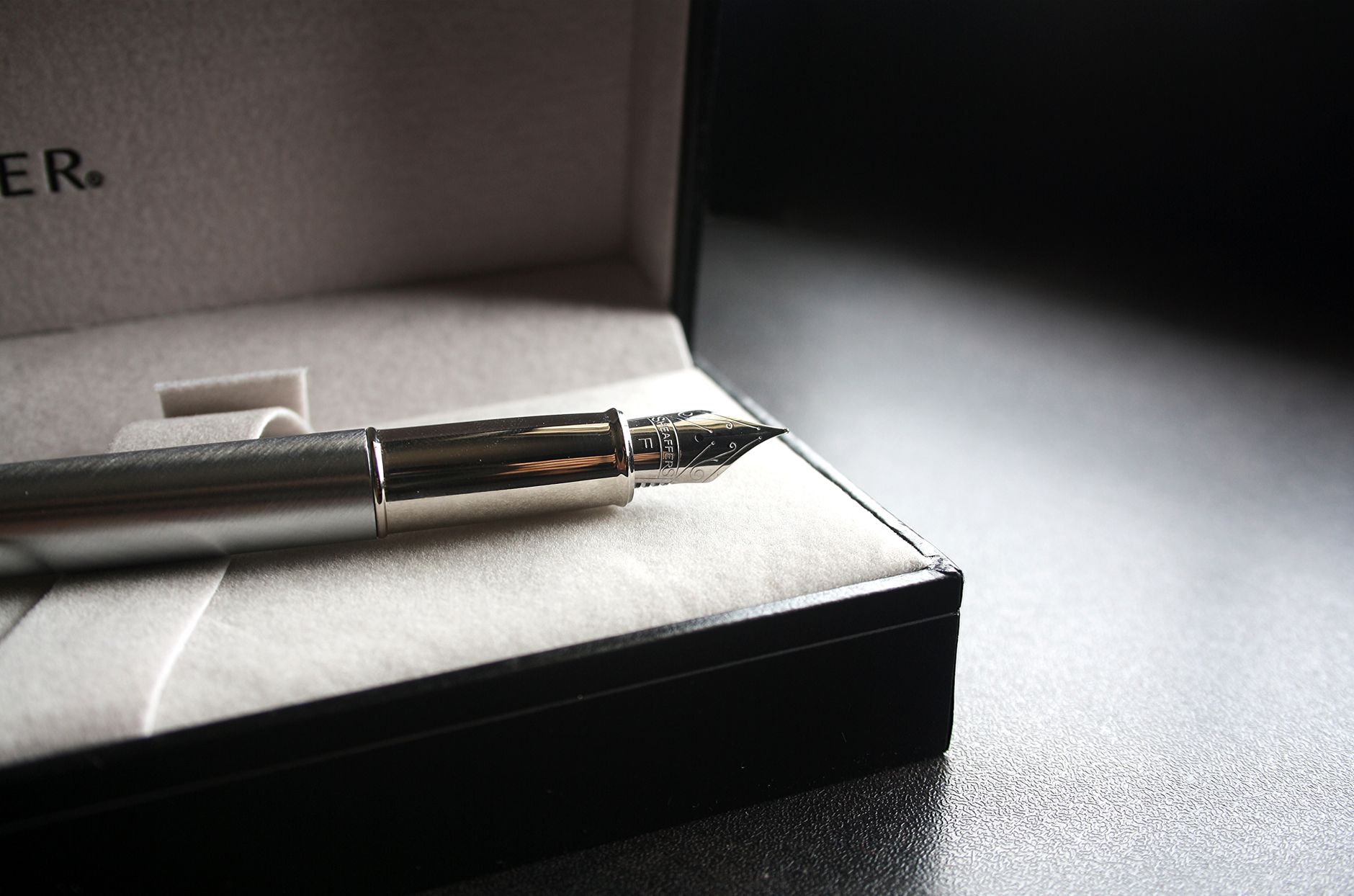
When it comes to corporate gifting in Australia, theory only gets you so far. What really cuts through the noise is seeing how other organisations have approached their branded merchandise strategy — the decisions they made, the challenges they navigated, and the measurable outcomes they achieved. Corporate gifting case studies from Australia offer something that product catalogues and generic advice simply can’t: proof that a well-executed gifting strategy builds real relationships, drives brand recall, and delivers genuine return on investment. Whether you’re a Sydney-based financial services firm preparing for end-of-year gifting, a Perth resources company onboarding new staff, or a Melbourne event organiser pulling together conference swag, there’s a lesson in every successful campaign.
Why Corporate Gifting Case Studies Australia Matter for Your Strategy
Before diving into the examples themselves, it’s worth understanding why looking at real-world case studies is so valuable. Australian businesses operate within a specific cultural and commercial context — a market that values quality, practicality, and increasingly, sustainability. Generic gifting advice pulled from American or European sources doesn’t always translate. A study of local campaigns reveals what resonates with Australian recipients, what budget ranges are realistic for different industries, and which decoration methods and product categories consistently outperform expectations.
The examples below are drawn from common scenarios across industries including finance, real estate, healthcare, education, and events. They’re illustrative of patterns seen across thousands of orders placed by Australian organisations — showing the decision-making process, the products selected, and the results achieved.
Case Study 1: Employee Recognition at a Sydney Financial Services Firm
A mid-sized financial services company in Sydney with around 400 staff wanted to revamp their employee of the month programme. Their previous approach — a generic printed certificate and a gift voucher — was well-intentioned but generating little enthusiasm. Staff weren’t displaying their recognition or talking about it.
The solution was a tiered gifting approach that combined a personalised certificate for their employee of the month programme with a high-quality physical gift. The chosen items: a laser-engraved bamboo desk set including a wireless charging pad, a notebook, and a branded keep cup. Each item was packaged in a branded kraft box with a ribbon tied in the company’s PMS-matched brand colours.
The result? Employees began photographing their recognition packages and sharing them internally on the company’s intranet. Participation in performance-linked KPIs improved noticeably in the quarter following the launch. The gifting package cost approximately $95 per recipient — well within the FBT minor benefit exemption threshold — and the company ordered monthly batches of five to ten units with no minimum order quantity issues thanks to laser engraving’s suitability for small runs.
Key lessons:
- Pairing recognition documents with physical, lasting gifts dramatically increases perceived value
- Laser engraving and debossing are excellent for premium small-run gifts
- Packaging matters — presentation elevates the recipient’s emotional response
Case Study 2: Real Estate Settlement Gifts in Brisbane
A boutique real estate agency operating across inner Brisbane and the Sunshine Coast wanted to differentiate themselves in a competitive market. Their agents were giving out generic bottles of wine or chocolates at settlement — items that were appreciated momentarily but forgotten quickly.
After consulting with their merchandise supplier, they moved to a curated settlement gift hamper featuring branded products that new homeowners would actually use. The star item was a custom promotional cutting board in bamboo, laser-engraved with the agency’s logo, the buyer’s name, and the settlement date. It was paired with a branded stubby holder (perfect for Queensland summers), a reusable tote bag, and a small candle with a custom label.
The personalised touch — particularly the cutting board bearing the buyer’s name and date — transformed a transactional moment into a memorable one. The agency reported receiving social media mentions from new homeowners photographing their gifts, and referral rates improved in the following six months. The total cost per hamper was approximately $65–$80 depending on the tier (first home buyers received the premium package).
For more inspiration on gifting that leverages everyday use, browse our guide on promotional items for business growth.
Case Study 3: Conference Swag That Actually Gets Used — Melbourne Tech Summit
A Melbourne-based technology association ran its flagship annual conference for approximately 1,200 attendees. In previous years, they’d filled delegate bags with cheap pens, notepads, and stress balls — items that typically ended up in hotel bins. In 2026, they completely rethought their approach.
Working with a clear budget of $35 per delegate, they prioritised fewer items of genuinely higher quality. The final pack included:
- A recycled PET drawstring backpack
- A branded reusable keep cup (600ml, with full-colour wraparound sublimation)
- A bamboo pen with pad-printed logo
- A high-quality spiral notebook with debossed cover
The shift to quality over quantity aligned with the association’s sustainability messaging — a core theme of the conference itself. If you’re building a sustainable event pack, understanding pad printing for promotional products and sublimation methods helps you match decoration to product type appropriately.
Post-event surveys showed that 87% of attendees kept at least two items from their delegate bag — a dramatic improvement from the previous year’s estimated 40%. The reusable cup in particular generated ongoing brand impressions as delegates used them in offices across the country. For further reading on optimising your trade show presence, see how to set up a winning trade show booth and our guide to choosing promotional items for trade shows.
Case Study 4: New Staff Onboarding Kits for a Perth Resources Company
A large resources and engineering firm based in Perth with operations across Western Australia needed a scalable, consistent onboarding gift programme for new hires. They were bringing on between 20 and 40 new employees per month and wanted every new team member — from graduate engineers to site supervisors — to feel genuinely welcomed from day one.
Their branded onboarding kit was designed to be both practical and emotionally engaging. The kit included:
- A branded hardcover notebook with the employee’s name embossed on the cover
- A branded USB stick pre-loaded with onboarding documents, company policies, and a welcome video from the CEO
- A high-quality insulated drink bottle with laser-engraved logo
- A branded polo shirt (embroidered, in the correct size as submitted during pre-boarding paperwork)
- A printed welcome card with a handwritten-style message
The use of a reusable cup variant was also trialled with office-based new starters in Perth’s CBD, and received strongly positive feedback. The company ordered in monthly batches via a wholesale arrangement, which helped them access wholesale promotional products pricing in Australia and maintain consistent quality across all departments.
The ROI was measured partly through their 90-day retention data, which improved year-on-year after the programme launched. New starters cited “feeling valued from the start” in exit interviews, and the onboarding pack was specifically mentioned.
Case Study 5: Charity Fundraiser at a Queensland School
A large Queensland state school on the Gold Coast needed to raise funds for their new performing arts facility. Rather than running another sausage sizzle, the P&C committee decided to sell branded merchandise as both a fundraiser and a community-building exercise.
Their product range included:
- Screen-printed cotton t-shirts in the school colours
- Branded stubby holders for the parents (a crowd favourite at Gold Coast outdoor events)
- Personalised ribbons for sports days and award ceremonies
- Promotional lollies packaged in custom-labelled bags for tuck shop fundraising
Understanding the fundamentals of screen printing helped the committee brief their supplier accurately, ensuring the t-shirt artwork was prepared correctly and turnaround was met before the school’s major community day.
The campaign raised over $12,000 net for the school, with the branded tees becoming a genuine point of community pride — worn at local sports events long after the campaign ended. The school has since run annual merchandise drops, building a small but sustainable revenue stream.
Case Study 6: Eco-Focused Government Department Gifting in Canberra
A federal government department in Canberra was under pressure to align its gifting and promotional product procurement with its sustainability commitments. They needed conference giveaways for a national policy forum that would resonate with an audience of environmental and policy professionals — a crowd that would spot greenwashing instantly.
They opted entirely for eco-friendly promotional products — recycled and bamboo items only. The range included bamboo cutlery sets, recycled cotton tote bags, and seed paper notepads. They also explored apparel recycling considerations when selecting their branded clothing items, ensuring garments were made from certified recycled materials.
The response from attendees was overwhelmingly positive, with several commenting that it was the first government event they’d attended where the merchandise genuinely matched the department’s stated values.
What These Corporate Gifting Case Studies Australia Tell Us
Across each of these scenarios — from financial services in Sydney to schools on the Gold Coast — a few consistent themes emerge:
- Personalisation drives emotional impact. Whether it’s a name on a cutting board or an embossed notebook, individual personalisation transforms a branded product into a meaningful gift.
- Quality beats quantity every time. Delegates, employees, and clients notice when organisations choose fewer, better products rather than bags full of forgettable trinkets.
- Eco credentials are now a baseline expectation in many industries, particularly government, education, and tech.
- Presentation and packaging matter. How a gift arrives shapes how it’s received — branded boxes, tissue paper, and ribbons elevate the entire experience.
- Aligning product to context is critical. The right product for a Brisbane real estate settlement is very different from the right product for a Perth mining onboarding kit.
If you’re refining your own approach, it also pays to understand local print and fulfilment options — knowing how to find quality print near you can dramatically reduce lead times and improve quality control.
Conclusion: Key Takeaways for Your Corporate Gifting Strategy
Real-world corporate gifting case studies from Australia consistently show that the most successful campaigns share a handful of core principles. As you plan your next gifting project, keep these in mind:
- Personalisation is the single most powerful differentiator — even a name or a date can transform a functional product into a cherished keepsake
- Budget wisely by reducing SKU count and increasing per-item quality — one excellent product outperforms five mediocre ones
- Choose decoration methods that suit the product — embroidery for apparel, laser engraving for hard goods, sublimation for full-colour drinkware
- Sustainability is no longer optional for government, education, and increasingly corporate audiences — build it into your brief from the start
- Measure your outcomes — whether that’s referral rates, retention data, social media mentions, or post-event survey results, tracking performance helps you refine each campaign
The Australian corporate gifting market rewards organisations that treat branded merchandise as a strategic investment rather than an afterthought. The case studies above prove that with the right products, the right decoration, and a genuine understanding of your audience, the returns — in loyalty, brand recall, and human connection — are absolutely tangible.