
Ocean Plastic Recycled Branded Merchandise Australia: The Complete Guide for Businesses
Discover how Australian businesses can use ocean plastic recycled branded merchandise to showcase sustainability and make a genuine environmental impact.

Written by
Astrid Bergman
Eco & Sustainable Products
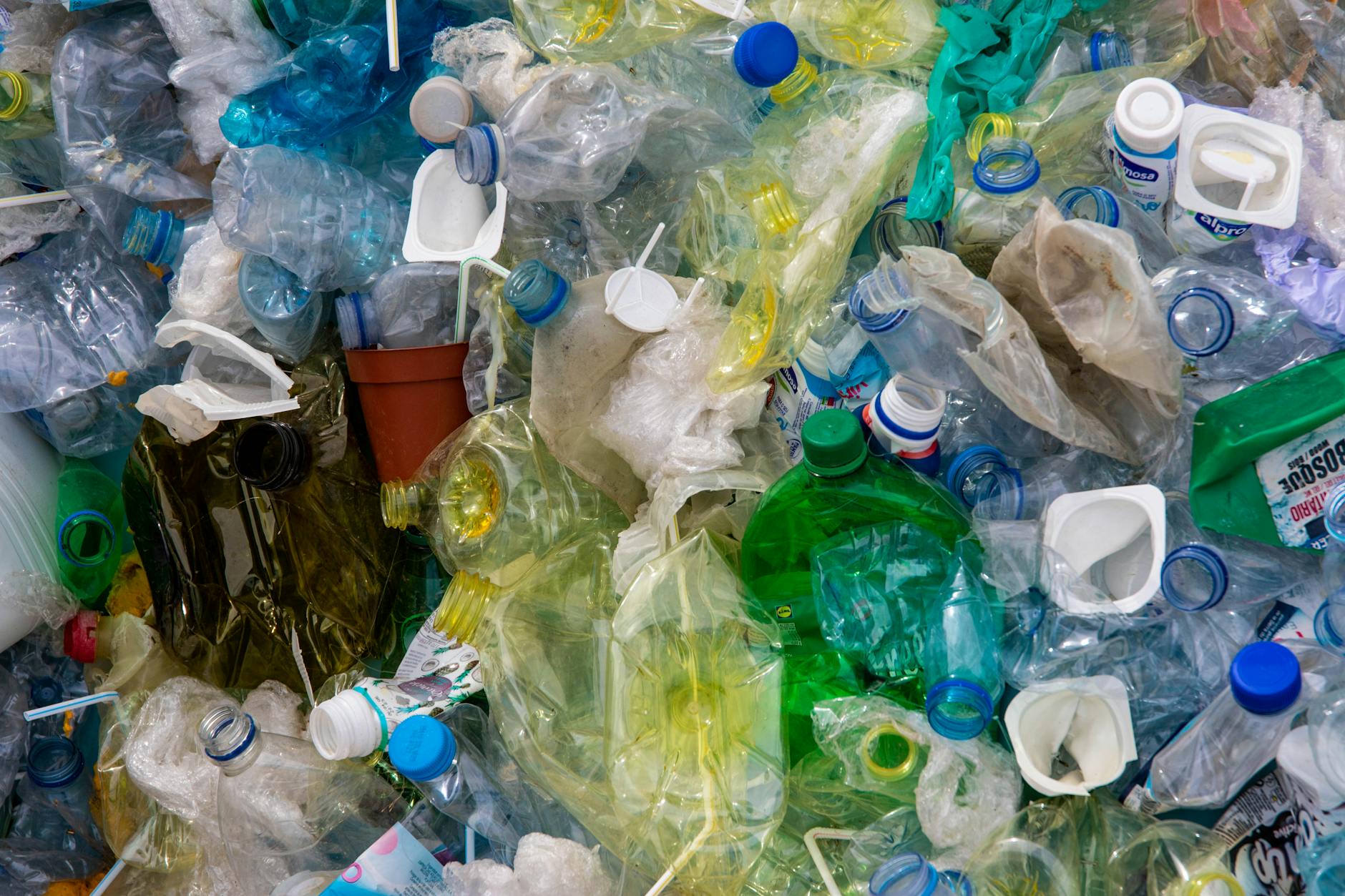
Every year, millions of tonnes of plastic waste enter the world’s oceans, threatening marine ecosystems and coastlines from the Great Barrier Reef to the shores of Fremantle. But here’s the encouraging news: that same plastic is increasingly being recovered, processed, and transformed into high-quality branded merchandise that Australian businesses, corporate teams, and event organisers can use to communicate their environmental values in a tangible, meaningful way. Ocean plastic recycled branded merchandise in Australia is no longer a niche concept — it’s a fast-growing category that sits at the intersection of genuine sustainability, smart corporate branding, and consumer demand for accountability. Whether you’re planning a major conference in Sydney, equipping a Melbourne-based corporate team, or sourcing ethical giveaways for a Brisbane trade show, this guide will walk you through everything you need to know.
What Is Ocean Plastic Recycled Merchandise, and Why Does It Matter?
Ocean plastic — also referred to as ocean-bound plastic — is plastic waste that has been collected from coastal areas, waterways, and ocean environments before or after it reaches open water. This material is then cleaned, processed, and converted into recycled plastic resin (rPET or similar), which manufacturers use to produce a wide range of consumer goods and promotional products.
The distinction between “ocean plastic” and generic “recycled plastic” matters. Standard recycled plastic merchandise might be made from post-consumer waste like old drink bottles collected through kerbside recycling. Ocean plastic goes a step further — it’s sourced specifically from areas where plastic pollution poses the greatest ecological risk. Many certified ocean plastic product programmes also support local collection communities in developing coastal regions, adding a social impact layer to the environmental one.
For Australian businesses, this matters for several reasons. Corporate sustainability expectations have never been higher. Clients, partners, employees, and the general public are increasingly scrutinising whether a brand’s actions match its stated values. Branded merchandise made from ocean plastic provides a story — a genuine, verifiable one — that connects your logo to real-world environmental action.
Types of Ocean Plastic Recycled Branded Merchandise Available in Australia
The range of products available in this category has expanded significantly, and you’ll find options to suit most merchandise briefs and budgets.
Drinkware
Reusable bottles and cups made from rPET or incorporating ocean-recovered plastic components are among the most popular choices. A branded reusable cup made from ocean plastic is an ideal everyday item — it sits on desks, travels to meetings, and keeps your organisation’s logo visible in high-traffic settings. Water bottles in this category often come with certification details printed directly on the product, allowing recipients to see exactly how much ocean plastic was diverted by their item.
Bags and Totes
Tote bags, backpacks, and cooler bags made from RPET (recycled polyester derived from plastic bottles, including ocean-collected plastic) are widely available and cost-effective at volume. A Perth-based sustainability conference or a Canberra government department looking for eco-conscious delegate bags will find plenty of options here. For a broader look at promotional eco-friendly products, the category has matured enormously over the past few years.
Apparel
Ocean plastic fibres can be spun into recycled polyester fabric, which is then used in t-shirts, polos, caps, and activewear. This is particularly relevant for sporting clubs, outdoor events, and corporate teams who want functional, wearable merchandise. Recycling apparel is a growing area in Australian branded merch, and ocean plastic garments are increasingly available through reputable decorators. Screen printing and embroidery both work well on these fabrics, making decoration straightforward.
Stationery
Pens, notebooks, and other stationery items made from ocean-recovered plastic are available for corporate gifting and conference packs. For businesses tracking broader stationery choices, it’s worth reviewing promotional stationery trends in Australia 2026 to see how sustainability is reshaping what organisations are ordering.
Tech Accessories
USB drives and charging accessories made from or incorporating recycled ocean plastic exist in this space, though they represent a smaller segment. If tech merchandise is a priority for your team, consider pairing ocean plastic accessories with your existing promotional USB sticks strategy.
Outdoor and Event Items
For coastal events, beach activations, and outdoor brand experiences, ocean plastic merchandise takes on an especially resonant meaning. Promotional kites for beach and coastal events represent one creative angle, and pairing these with ocean plastic branded giveaways creates a cohesive, environmentally conscious event theme.
How to Verify Ocean Plastic Claims: Certifications to Look For
One of the most important aspects of sourcing ocean plastic merchandise is verification. Greenwashing is a genuine risk in this space — claims of “ocean plastic” can be misleading if they’re not backed by credible third-party certification.
Look for the following when evaluating suppliers and products:
- OceanCycle Certification — An internationally recognised standard for ocean-bound plastic supply chains, ensuring traceability and social compliance
- Plastic Bank Partnership — Products sourced through Plastic Bank’s collection network in coastal communities carry documented chain-of-custody records
- Global Recycled Standard (GRS) — Verifies recycled content in products and tracks material through the supply chain
- How Much Plastic Per Unit — Reputable products will typically state how many plastic bottles or grams of ocean plastic were used per item (e.g., “Made from 5 recovered ocean-bound bottles”)
Always ask your merchandise supplier for documentation. For businesses that source wholesale promotional products in Australia, this is a standard due diligence step worth adding to your procurement process.
Decoration Methods for Ocean Plastic Merchandise
The good news is that most ocean plastic products accept standard decoration methods without issue. However, a few considerations are worth noting:
- Screen printing works well on flat-surfaced bags and apparel. If you’re sourcing RPET tote bags or ocean plastic t-shirts, screen printing on custom polo shirts and similar garments follows the same principles as conventional fabric printing
- Pad printing is ideal for harder plastic surfaces like pens, bottle caps, and small tech items. Our guide to pad printing for promotional products covers the detail you need on this method
- Laser engraving suits drinkware with metallic or hard plastic finishes
- Embroidery is appropriate for ocean plastic caps and bags where the fabric weave supports it
- Sublimation works well on rPET fabric products where all-over or high-detail decoration is required
Keep in mind that texture and surface finish on recycled plastic products can occasionally differ from virgin plastic equivalents — always request a pre-production sample if colour accuracy or print sharpness is critical to your brief.
Budgeting and MOQs for Ocean Plastic Merchandise in Australia
Ocean plastic products typically carry a modest price premium over standard promotional items — usually in the range of 15–30% above comparable conventional products. This reflects the additional processing involved in recovering and certifying ocean-bound plastic material.
Minimum order quantities (MOQs) vary by product type:
- Bags and totes: Often 50–100 units minimum
- Drinkware: Typically 25–50 units for standard branded runs
- Apparel: Generally 24–50 units per style and colour
- Stationery: Often 100–250 units for items like pens
Turnaround times in Australia generally run 10–15 business days for in-stock decorated items, with 3–4 weeks for imported or custom-manufactured orders. If you’re ordering for a specific event date, build in buffer time and confirm lead times with your supplier upfront.
For teams new to eco merchandise, it’s worth exploring how to establish a strong promotional item business strategy that accounts for sustainable sourcing from the outset — it’s far easier to build these practices in early than to retrofit them later.
Making the Most of Ocean Plastic Merch at Events and Trade Shows
The storytelling opportunity with ocean plastic merchandise is significant, and savvy event organisers are making the most of it. At trade shows and expos, branded ocean plastic products become conversation starters. Rather than a generic giveaway, a product made from recovered ocean waste gives your booth visitors something genuinely interesting to take away — and something they’re more likely to keep and use.
For tips on maximising your presence, our guides on promotional items for trade shows and building an effective trade show booth offer practical advice you can combine with an ocean plastic product strategy. In corporate settings, consider including a small card or tag with each item explaining the ocean plastic story — how much plastic was diverted, where it was collected, and why your organisation chose this product.
Sectors Leading the Way in Australia
Several Australian sectors are already embracing ocean plastic branded merchandise with enthusiasm:
- Coastal tourism operators and local councils in Queensland and Western Australia, where ocean health is a direct business concern
- Universities and TAFEs sourcing delegate packs and orientation merchandise with sustainability mandates
- Government departments in the ACT and Victoria that have formal procurement sustainability targets
- Corporate teams in financial services, legal, and technology sectors where ESG reporting is now standard
- Charities and environmental NFPs for whom ocean plastic merch is a natural fit with their mission
Conclusion: Key Takeaways
Ocean plastic recycled branded merchandise in Australia represents one of the most compelling opportunities for businesses and organisations to align their branded giveaways with genuine environmental values. As demand grows and the product range expands, there’s never been a better time to make the switch from conventional promotional products to items with a verifiable positive impact.
Here are the key points to take away:
- Verify credentials before you buy — look for OceanCycle, GRS, or Plastic Bank certifications to avoid greenwashing and ensure your claims are substantiated
- The product range is broad — from drinkware and bags to apparel, stationery, and tech accessories, ocean plastic options now cover most merchandise categories
- Budget for a modest premium — ocean plastic products typically cost 15–30% more than conventional equivalents, but the storytelling and brand value they deliver often justifies the investment
- Use decoration methods that suit the material — screen printing, pad printing, and embroidery all work well; request samples before committing to large runs
- Tell the story clearly — include product inserts or tags that explain the ocean plastic origin, because the narrative is a significant part of the value your recipients receive