
What Print Shops Actually Do and How to Choose the Right One for Your Brand
Discover what print shops offer Australian businesses, how to choose the right one, and tips for ordering branded merchandise with confidence.

Written by
Rani Gupta
Branding & Customisation
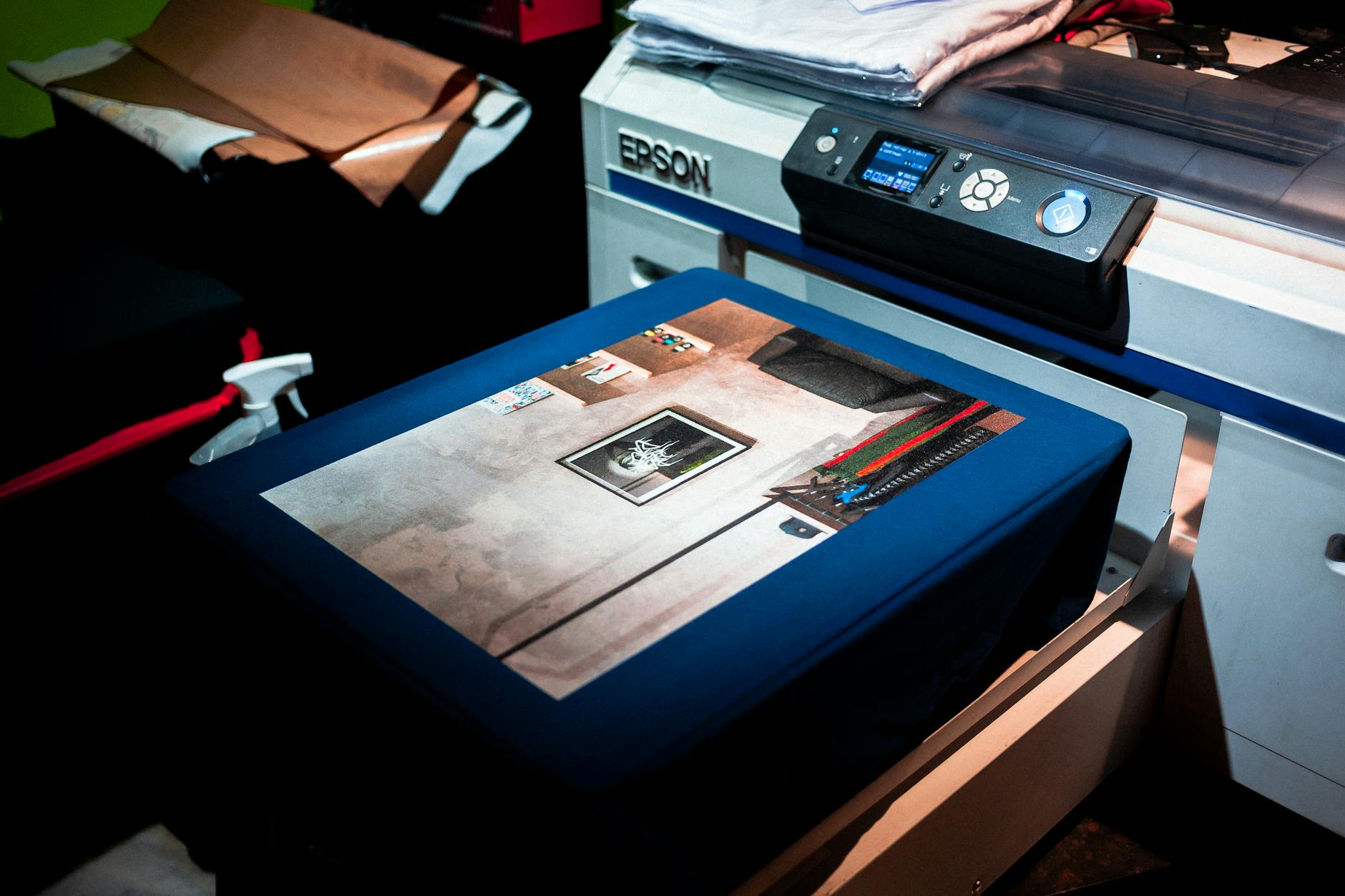
When Australian businesses start thinking about branded merchandise, corporate gifts, or promotional items, one of the first questions that comes up is: where do I actually get this stuff made? The answer, more often than not, points back to print shops — the specialist suppliers and decorators who turn plain products into powerful brand touchpoints. But not all print shops are created equal, and understanding what separates a great decorator from a disappointing one can save your organisation significant time, money, and frustration. Whether you’re a Sydney-based corporate team ordering bulk polo shirts, a Melbourne event organiser sourcing conference bags, or a Brisbane startup putting together your first branded merchandise run, this guide walks you through everything you need to know.
What Do Print Shops Actually Offer?
The term “print shops” is broad, and that’s sometimes part of the confusion. In the branded merchandise world, a print shop (or decorator) typically offers a combination of product sourcing and decoration services. The decoration side — applying your logo or design to a product — is where the real expertise lies.
Most reputable print shops in Australia offer several decoration methods under one roof, including:
- Screen printing — ideal for high-volume apparel orders with bold, spot colours. Our detailed guide to screen printing explains exactly when this method works best and what artwork specifications you’ll need.
- Embroidery — best suited to structured items like polo shirts, caps, and workwear jackets, giving a professional, textured finish.
- Pad printing — the standard for smaller hard goods like pens and USB drives.
- Laser engraving — a premium, permanent decoration method used on metal drinkware, keyrings, and awards.
- Sublimation — excellent for full-colour, edge-to-edge designs on polyester apparel and certain hard goods.
- Heat transfer — a versatile option for short runs or complex, photographic-style artwork.
- Digital printing — suitable for paper-based products and some fabrics where detail and colour gradient are priorities.
It’s worth noting that many print shops specialise. Some focus almost exclusively on apparel, while others might be geared towards stationery, drinkware, or rigid promotional products. Knowing what category of merchandise you need before you start shopping around will help you find the right fit faster.
How Print Shops Differ from Online Merchandise Platforms
One of the most common points of confusion for corporate buyers is the difference between a traditional local print shop and an online merchandise supplier. Both can produce excellent results, but they operate quite differently.
A local print shop — think a small business tucked into an industrial estate in Adelaide or a production facility on the outskirts of Perth — often offers more hands-on consultation, faster turnarounds for rush jobs, and the ability to inspect physical samples before committing to a full run. If you’re close by, you can sometimes walk in, discuss your project face-to-face, and walk out with a proof in hand.
Online merchandise platforms, on the other hand, offer broader product ranges, competitive pricing driven by volume, and the convenience of managing everything remotely. If you’re an event organiser in Canberra sourcing products for a national conference, you might find an online platform better suits your needs — especially if you’re sourcing promotional items for a trade show or setting up an expo booth and need a wide variety of products from a single supplier.
The best approach? Many experienced procurement managers use a hybrid strategy — working with a local decorator for rush jobs or complex apparel work, and using an online supplier for larger, planned campaigns with longer lead times.
Key Questions to Ask Any Print Shop Before You Order
Before you commit to a print shop for your next branded merchandise project, there are several practical questions worth asking. These apply whether you’re ordering promotional pens, custom reusable cups, or branded USB drives.
What Is the Minimum Order Quantity (MOQ)?
MOQs vary significantly depending on the decoration method and product type. Screen printing, for example, typically requires a minimum of 12–24 pieces to make the setup cost worthwhile, while embroidery setups can sometimes be done on runs as small as 6–12 items. Some products, particularly those sourced from overseas, may have MOQs of 100 or more.
If you’re a small business or ordering for a single event, always confirm MOQs upfront so there are no surprises.
What Are the Setup Fees?
Most decoration methods involve a one-off setup cost — creating screen films, digitising embroidery files, or programming a laser engraver. These fees can range from $30 to $150 or more per colour or design element, depending on complexity. Ask whether setup fees are waived on reorders, as many suppliers will retain your file and charge little or nothing the second time around.
What Are the Turnaround Times?
Standard production turnarounds in Australia typically run 7–15 business days after artwork approval, but this can stretch significantly during busy periods like the lead-up to Christmas or major event seasons. If you’re ordering personalised Christmas items or seasonal gifts, plan at least four to six weeks ahead. Rush services are usually available but come at a premium.
Do They Offer Samples?
Most reputable print shops will offer pre-production samples or digital proofs before proceeding with a full run. For large orders or where colour accuracy is critical — such as when matching a brand’s PMS colour — always request a physical sample first.
What to Look for in a Quality Print Shop
Beyond the basics, there are a few markers that distinguish genuinely excellent print shops from average ones.
Artwork support: A quality decorator will have in-house graphic designers or at minimum a team that can advise on artwork preparation. Poorly prepared artwork is one of the most common causes of delays and disappointing results.
Transparency on pricing: Clear, itemised quotes that include product cost, decoration cost, setup fees, and GST make it far easier to budget accurately. Be wary of suppliers who are vague about pricing until late in the process.
Product range depth: The best suppliers aren’t just decorators — they’re merchandise consultants. They should be able to recommend the right product for your application, whether that’s eco-friendly promotional products for a sustainability-focused brand, branded gym clothing for a health and wellness company, or laptop bags for a corporate technology firm.
References and samples: Don’t hesitate to ask for examples of previous work or client references, particularly for large or complex orders. A confident, capable print shop will have a portfolio they’re proud to share.
Understanding the Ordering Process at a Print Shop
If you’ve never worked with a print shop before, the process can seem opaque at first. Here’s a simplified walkthrough of how a typical order flows:
- Briefing — You outline your requirements: product type, quantity, decoration method, colours, and deadline.
- Quoting — The supplier provides a detailed quote based on your specifications.
- Artwork submission — You provide your logo and design files. Vector files (AI, EPS, PDF) are almost always preferred.
- Proof approval — You review and approve a digital or physical proof before production begins.
- Production — Once approved, your order goes into the production queue.
- Quality check and dispatch — Finished goods are checked, packed, and shipped or collected.
Understanding this process helps set realistic expectations. The proof approval stage in particular can cause delays if multiple rounds of revisions are needed, so having finalised artwork ready before you make contact will always speed things up.
For businesses looking to streamline recurring orders, it’s worth exploring wholesale promotional products arrangements where your artwork is pre-set up and reorders are as simple as placing a product and quantity order.
Specialised Print Shops vs. Full-Service Merchandise Suppliers
As your branded merchandise needs grow more complex, you may find that a single print shop can’t meet all your requirements. A specialist screen printer might do exceptional work on apparel but lack the capability to produce laser-engraved awards or personalised employee recognition certificates.
Full-service merchandise suppliers — sometimes called promotional products distributors — act as a single point of contact across a wide range of product categories and decoration methods. They manage multiple production partners and can source virtually anything from branded stubby holders for a corporate event to promotional cutting boards for real estate settlement gifts.
For event organisers and corporate procurement teams managing complex, multi-product campaigns, this kind of full-service model often delivers better outcomes than managing multiple individual print shops. Check our guide on what to look for in a promotional item business for more detail on evaluating suppliers at this level.
Sustainable Print Shops: An Important Consideration in 2026
Sustainability has become a genuine priority for Australian organisations sourcing branded merchandise. More and more businesses and government departments are asking print shops about their environmental credentials — including their use of water-based inks, sustainable substrates, recycling programmes, and ethical sourcing practices.
If sustainability is important to your brand, ask potential suppliers about their approach. Do they offer recycled apparel options? Can they source reusable alternatives where single-use products would otherwise be the default? Do they have certifications such as ISO 14001 or work with audited factories?
Aligning your merchandise sourcing with your organisation’s environmental commitments isn’t just good ethics — it’s increasingly expected by clients, stakeholders, and event attendees alike. Our overview of current promotional stationery trends in Australia touches on how sustainability is reshaping product choices right across the category.
And if you need to find a specialist closer to home, our guide on finding print services near you is a practical starting point for local supplier research.
Conclusion: Choosing the Right Print Shop for Your Brand
Navigating the world of print shops doesn’t have to be overwhelming. With the right knowledge, you can approach any decorator or merchandise supplier with confidence and get results that genuinely reflect your brand’s quality and values. Here are the key takeaways from this guide:
- Understand the decoration methods available — screen printing, embroidery, laser engraving, and sublimation all suit different products and budgets.
- Clarify MOQs, setup fees, and turnaround times before committing to any supplier, especially if you’re working to a tight deadline or limited budget.
- Ask for proofs and samples on significant orders to ensure colour accuracy and product quality before full production begins.
- Consider a full-service supplier if your merchandise needs span multiple product categories — it simplifies procurement and often delivers better value.
- Prioritise sustainability by asking print shops about their environmental practices, particularly if your organisation has public commitments to responsible sourcing.
Whether you’re ordering for the first time or refining a long-standing merchandise programme, choosing the right print shop is one of the most impactful decisions you’ll make for your brand’s physical presence in the world.